How would you like a pranayama breath mentor in your inbox each week?
Subscribe to my newsletter below and I’ll send along all my tips and tricks about how to use ancient breathing techniques to your advantage 😉
Enter your email
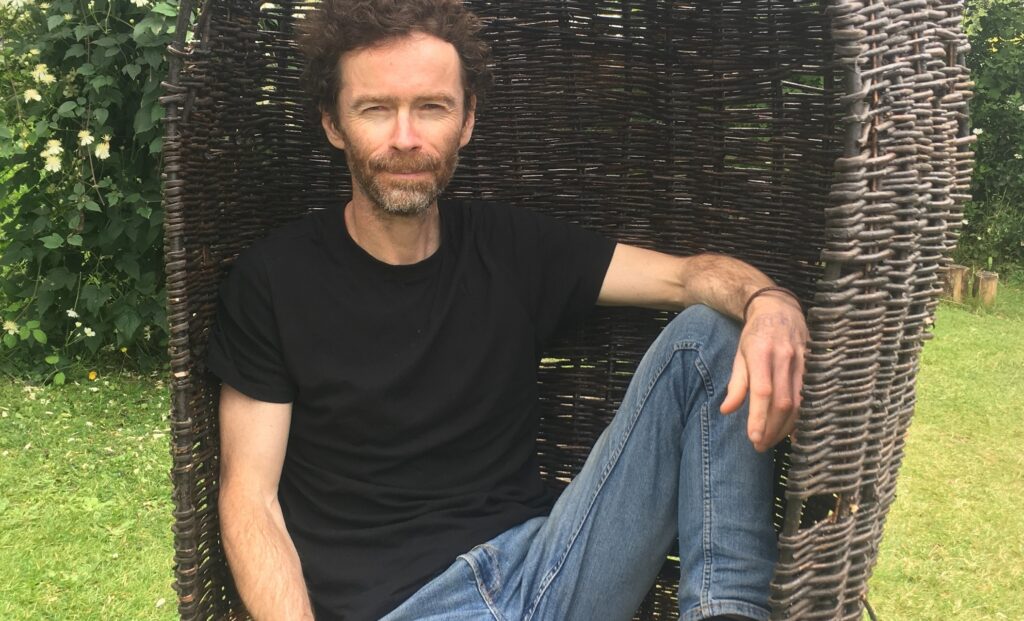
Hi, I’m Pat St.John. I help people improve their lives by teaching them the lost art of pranayama breathing. Yes, quite niche!
If you’ve already read the spiel below you may be here just for the link to book your place for my monthly masterclass workshop. So here it is. Be sure to sign up quickly, as places go fast:)
NEXT LIVE PRANAYAMA MASTERCLASS WORKSHOP
SUN 29TH NOV 2026 10-12AM (GMT)
RESERVE YOUR PLACE NOW
Details
Title: A Sequence of Pranayama for Maximum Benefit
This workshop is suitable for all levels and is aimed at giving you a fundamental sequence of pranayama techniques for maximum benefit. No matter how experienced you are, you will leave this workshop with key takeaways that will enhance your practice and everyday life.
And it will be fun!
Price: £30
Includes:
1/ Live workshop given by me, with one or two short breaks
2/ Access to a recording of the session in case you can’t make it or have to leave early
3/ And one or two post-workshop questions each
Realistically, if you do sign up you’ll have access to me via the WhatsApp group, so you’ll be able to fire over a question whenever – I’m normally happy to answer if I can
Hope to see you there
Pat x
Just reserved your spot – tell someone and spread the word
What is pranayama breathing?
Pranayama is an ancient form of breathing that was developed by ancient yogis. Traditionally, yogis practiced it after they did their physical asana to help them reach a state of meditation.
Are there other types of breathing and how does pranayama relate to those?
Yes, there are several other types of breathing/breathwork things happening at the moment. You may have heard of Wim Hof, Conscious Connected, Rebirthing, Holotropic, Holorenic, and Tummo. To put it simply, pranayama is over 2500 years old and is pretty much the origin of all of these modern styles and was designed, not to induce a state of euphoria or ‘rebirthing’ (which is what you will often see nowadays) but as a subtle and beautiful way to reduce body-mind dualisms. There is an excellent freely accessible academic research paper that looks at the different types of breathwork traditions. Scroll down to page 4 where you’ll find how pranayama fits into the pictures. I teach the traditional form of pranayama rooted in tradition but relevant for modern living.
What are the benefits of pranayama?
Pranayama has many different benefits for the everyday person. One of the most important benefits is it’s ability to regulate a person’s central nervous system. Most people are on constant alert and so their central nervous system is always switched on to ‘fight or flight’ mode. It should not be like this. Pranayama is one of the most effective ways to quickly and sustainably return your system to a relaxed ‘rest and digest’ mode. Pranayama is also extremely good for digestion, blood pressure, circulation, and a number of other issues. Sustained practice significantly improves self confidence.
Why would I want to learn pranayama?
This could be for many different reasons and for many different types of people. For example, for those that need to master composure on demand (e.g., presenting or performing, and in other high-stress work environments), for those that need help overcoming anxiety, panic attacks, and modern-day stress related issues, for those that need to overcome brain fog and regain clarity, and for those who want to improve and gain an advantage in their physical performance (whatever their level).
There is another reason why you might want to do pranayama. Pranayama has been shown to improve empathy and compassion. If you believe that more empathy and compassion in the world is a good thing then by doing pranayama you are making the world a better place. That can’t be a bad, right!
What are classes like?
My classes are simple and non-pretentious, and based on authentic 2500 year-old practice. Everyone is welcome , but please respect the practice.
What level do you teach?
I teach a range of levels from complete beginner to advanced – my workshops are suitable for all abilities.
Do you have an overview of future workshops?
Not yet, but I soon will have 🙂
Do you accept request for workshop themes?
Yes. If you have an idea or theme you’d like me to consider then send me an email – info@patstjohn.org
How do I join a workshop?
To join, you will need to reserve you place. Scroll up and click RESERVE YOUR PLACE NOW.
Do you have some basic instruction that I can have a look at before I start?
Yes, there is a very basic 4-page cheat sheet for beginners. Subscribe to my newsletter, and it will be delivered with the welcome email.
When are the classes?
Every other month
How are workshops delivered?
Zoom
Is there an opportunity to ask questions?
Yes. During the workshop.
How do I pay?
Scroll up and click RESERVE YOUR PLACE NOW
Is there anything I can do before I join a class?
Before you join a class, there are a few things you can do to make life easier.
1/ Join the WhatsApp group so you can keep up to date and you can let me know if you’re attending a workshop. I’ll also include the class Zoom link in the WA group so you don’t have to keep visiting the website.
Join the WhatsApp Group
2/ Download the cheat sheet. Enter your email below. I’ll send it along in the welcome email. This will help you learn the basic techniques.
Get Your Free Pranayama Cheat Sheet
3/ Spread the word. Please tell others about the work I do. What I teach is both authentic and a very old form of intangible cultural heritage. So, the more people that know about, learn, and benefit the better.
4/ Get in touch if you’re not sure. Whatever your question or doubt, just send me an email. Happy to help if I can.
That’s pretty much all there is to it.
Hope to see to you at the next class.
Pat x